The Five Minutes Before The Lights Go Down
Five minutes before a theatre performance begins, very little appears to be happening.
The cast is out of sight. The stage may still be empty. The story has not started. Nobody has spoken a line.
Yet those final few minutes before the lights go down are often some of the most interesting moments of the evening.
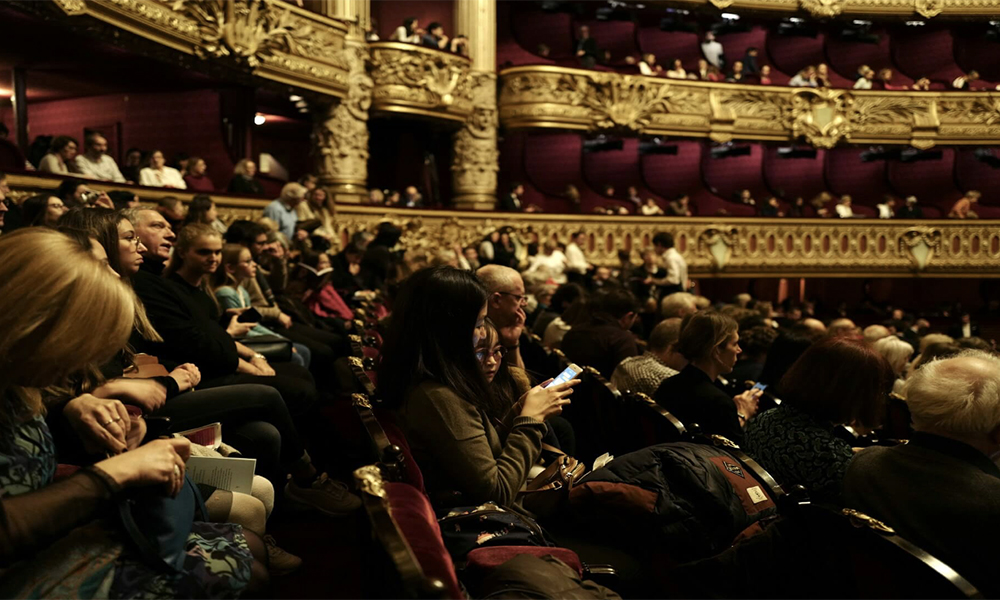
Look around any auditorium and a familiar scene emerges.
Some people are still finding their seats. Others are reading the cast list. A few audience members are studying the set, trying to guess what lies ahead. Nearby, somebody is checking their ticket for a second time, just to be sure.
The performance has not started. The experience already has.
Long Before The Theatre
Those five minutes are usually the end of a much longer process.
Most theatre-goers arrive with at least some idea of what they are about to watch. Reviews have been read. Trailers have been viewed. Cast announcements have attracted attention. Recommendations have been exchanged between friends.
Modern audiences are accustomed to researching entertainment before making a decision.
Whether someone is choosing a new series to stream, comparing restaurants for a special occasion, or exploring online entertainment through resources discussing no KYC casino Australia, the pattern is mostly the same. A recommendation from the right friend about online Australian casinos often carries more weight than a dozen reviews.
Theatre remains one of the few experiences where some uncertainty is still welcome.
Many audience members arrive hoping to be surprised.
The Search For Seat G24
Five minutes before the show is also peak seat-finding time.
A surprising number of people arrive comfortably early and then spend several minutes looking for a seat that has been printed on their ticket the entire time.
Rows are checked. Seat numbers are compared. Someone inevitably realises they are standing in the wrong section. Another person politely asks three audience members to stand up so they can squeeze past.
These small moments happen before almost every performance. Nobody remembers them afterwards, yet they form part of the rhythm of live theatre.
Everybody Is Looking At Something
One of the most interesting things about those final minutes is that everyone appears busy despite the fact that nothing has technically started.
Some audience members study the set. Others read biographies of performers or read news about live performances in Australia. A few are checking messages before putting their phones away. Many are simply watching the room.
People watch late arrivals enter the auditorium. They notice familiar faces. They quietly speculate about the story waiting behind the curtain.
Before the performance begins, the room has already become something worth watching.
The Cast List Habit
Even people who claim they never read cast information often find themselves doing exactly that.
The booklet is opened. A quick glance turns into a longer read. Names become familiar. Previous productions are recognised. Someone notices a performer they saw years earlier in a completely different show.
Sometimes a cast list answers questions. Sometimes it creates new ones. A familiar surname, a recognised credit or a performer remembered from another production can send somebody down an unexpected rabbit hole before the show has even started.
There is always somebody who spots a familiar name and immediately starts telling the person beside them where they saw that performer last.
The Last-Minute Conversation
The conversations that happen immediately before a performance are often very different from those that happen afterwards.
Before the show, people speculate. Is it supposed to be funny? Have you heard anything about it? Do you know the music?
Apparently the lead performer is excellent. Nobody knows exactly what is coming. That uncertainty creates a particular type of excitement.
Once the performance starts, those questions disappear. For a brief period beforehand, however, the possibilities remain open.
The Late Arrival
Every audience knows the type. The person who enters just before the lights fade.
Sometimes they arrive carrying a drink. Sometimes they arrive slightly breathless. Occasionally they appear convinced there is far more time available than reality suggests.
A few audience members watch them with sympathy. Others watch with relief because, for once, somebody else is later than they are.
The late arrival has become such a familiar feature of theatre-going that many people barely notice it anymore.
Yet almost every performance seems to have one.
Then The Room Changes
The transformation is remarkably quick. One moment the auditorium is full of conversation. The next, the atmosphere shifts.
The lights begin to dim. Programmes close. People settle into their seats. Without being instructed, hundreds of audience members direct their attention towards the same place.
It happens in seconds. The transition feels routine because it occurs at every performance. Yet it remains one of the most remarkable aspects of live entertainment.
A room full of strangers suddenly focuses on a shared experience.
A Moment That Cannot Be Streamed
Modern entertainment offers almost unlimited convenience. Films can be paused. Television shows can be watched later. Music can be replayed instantly. Theatre operates differently.
Those five minutes before the lights go down belong entirely to the people in the room. They cannot be rewound. They cannot be streamed later. They exist only once.
It is one of the few parts of the evening that belongs entirely to that audience and nobody else.
Before The First Line
When audiences remember a performance, they usually talk about what happened on stage.
The standout scene. The memorable song. The unexpected twist. Yet the evening often begins earlier than that.
It begins when people enter the auditorium. When they find their seats. When they read the cast list. When they exchange final thoughts before the lights dim.
Those moments rarely appear in reviews or programmes. They are rarely discussed at all. Yet they happen at every performance.
The last look at the cast list. The search for the correct row. The friend who arrives just in time. The audience member trying to finish a drink before the lights fade.
None of it appears in the review the next day. Yet for a few minutes, it is part of the show all the same.