Boy George, Julian Clary And Star Cast Bring King Herod Swagger To JESUS CHRIST SUPERSTAR
A new West End season of JESUS CHRIST SUPERSTAR is turning one of musical theatre’s briefest but most scene-stealing roles into a major theatrical event.
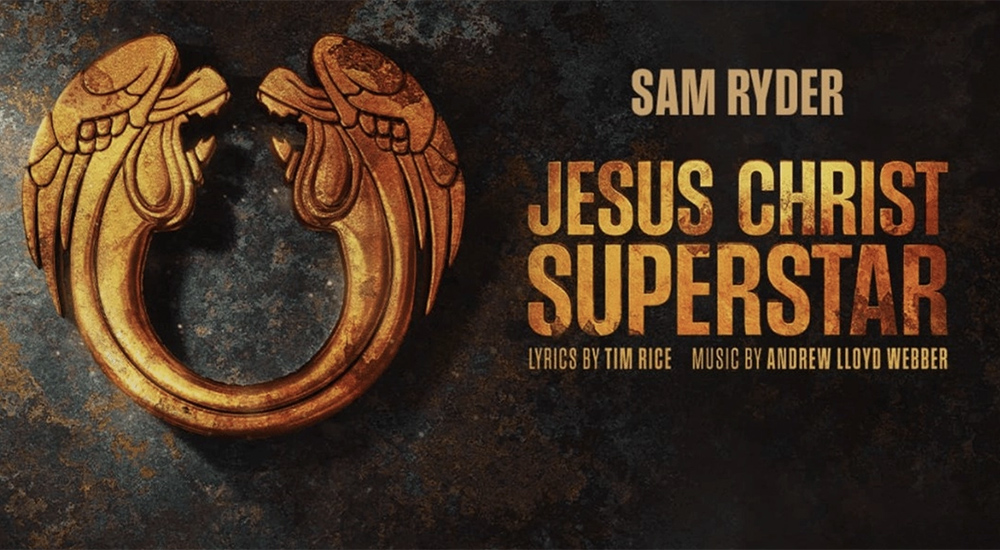
Timothy Sheader’s acclaimed production of Andrew Lloyd Webber and Tim Rice’s rock opera will play a limited summer season at the London Palladium, led by Eurovision star Sam Ryder as Jesus and Tyrone Huntley as Judas. But one of the production’s boldest casting choices sits in the role of King Herod, who will be played across the run by six high-profile guest performers.
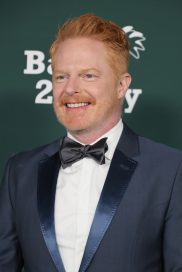
Jesse Tyler Ferguson, Simon Russell Beale, Richard Armitage, Boy George, Layton Williams and Julian Clary will each take on Herod for a limited stretch of performances, giving audiences a rare opportunity to see the same role filtered through six very different theatrical
personalities.
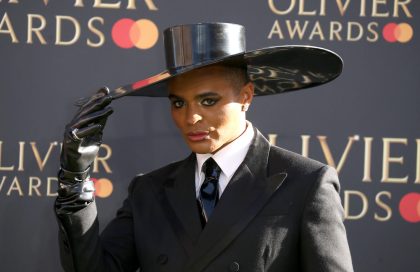
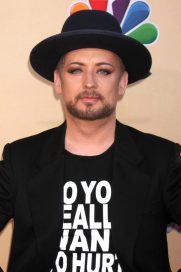
It is an inspired idea for a part that has always thrived on personality. Herod appears for only one number, yet the role has long been one of the musical’s most memorable moments. The character arrives with theatrical excess, comic menace and showbiz sparkle, briefly shifting the emotional temperature of the piece before the story continues its tragic path.
That contrast is part of the power of JESUS CHRIST SUPERSTAR. The musical, first released as a concept album in 1970, retells the final days of Jesus through the perspective of Judas. Its score fuses rock, soul, theatrical recitative and large-scale dramatic tension, creating a work that has remained provocative, popular and endlessly adaptable for more than five decades.
Sheader’s production, first seen at Regent’s Park Open Air Theatre in 2016, stripped the show back to its muscular rock-concert core. It went on to win major acclaim, including Olivier recognition, and has since become one of the most influential contemporary stagings of the musical.
The London Palladium season brings that production into one of the West End’s grandest houses, with a cast and guest-star structure designed to make the run feel like a summer event.
For Herod, the rotating casting makes particular sense. The role is part tyrant, part cabaret turn and part showbiz interruption. It asks for glamour, timing, danger and comic confidence, but it also allows each performer to bring their own flavour. In another show, such variation might feel disruptive. In JESUS CHRIST SUPERSTAR, Herod is built for disruption.
Boy George brings obvious glam rock resonance to the role. As one of pop’s most distinctive figures, his presence connects the musical’s rock-opera origins with the flamboyant theatricality of a performer who has always understood image, provocation and reinvention. Having already appeared in major stage musicals, including MOULIN ROUGE! on Broadway, he arrives with both pop authority and theatre credentials.
Julian Clary offers a different but equally natural fit. His career has long been built on sharp wit, camp precision and direct audience command, qualities that align perfectly with Herod’s brief but outrageous appearance. Clary has also previously played the role on tour, making his Palladium return a chance to bring an already tested interpretation into a grander West End setting.
Jesse Tyler Ferguson adds transatlantic star power and comic polish. Known widely for his screen work and with strong theatre roots, he opens the Herod rotation and brings the kind of timing that can turn a single scene into a highlight. His casting also underlines the production’s international reach.
Simon Russell Beale, one of Britain’s most respected stage actors, gives the rotation classical weight. His presence suggests a Herod who may lean into verbal intelligence and theatrical control, proving that the part can accommodate more than one kind of flamboyance.
Richard Armitage brings intensity, screen recognition and a darker dramatic edge, while Layton Williams adds contemporary West End charisma, dance energy and a natural connection to younger audiences. Together, the six Herods turn a cameo into a conversation about performance style itself.
The result is a casting structure that may encourage repeat attendance. Audiences who love the production may be tempted to return to see how each Herod changes the balance of the evening. It also gives the show a strong publicity hook without disturbing the central architecture of the musical.
At the centre of that architecture is Sam Ryder, whose casting as Jesus marks his major West End debut. Ryder became a household name through Eurovision and has since been recognised for his soaring vocal range and open-hearted performance style. JESUS CHRIST SUPERSTAR gives him a role that demands not only vocal power, but emotional pressure, stillness and spiritual vulnerability.
Opposite him, Tyrone Huntley returns to a world he knows deeply. Huntley’s association with JESUS CHRIST SUPERSTAR has already earned wide acclaim, and his presence as Judas anchors the production in theatrical experience. The musical belongs as much to Judas as to Jesus, and the role requires a performer able to carry conflict, love, anger and despair through the score’s relentless momentum.
The combination of Ryder’s star vocal presence, Huntley’s dramatic authority and the rotating Herods gives the Palladium season a distinctive identity. It is not simply a revival of a successful production. It is a fresh event built around contrast: rock concert and biblical tragedy, West End spectacle and stripped-back staging, established theatre craft and celebrity electricity.
The continued appeal of JESUS CHRIST SUPERSTAR lies in its refusal to behave like a conventional religious musical. It does not present a comfortable pageant. It asks questions about power, fame, betrayal, belief and public spectacle. It is a musical about a movement becoming uncontrollable, about private conviction being swallowed by politics, and about the human cost of being turned into a symbol.
Herod’s scene sharpens that theme. In a musical full of spiritual and political pressure, Herod represents entertainment as cruelty. He treats suffering as performance and demands proof as spectacle. That makes the role funny, but it also makes it unsettling. The laughter sits close to danger.
That is why the role can survive bold casting. Herod is not meant to blend in. He is meant to burst into the show, seize attention and expose another kind of power. Whether played by a pop icon, comic provocateur, classical actor or musical theatre favourite, the character functions as a glittering interruption with teeth.
For West End audiences, the Palladium season promises one of the year’s most talked-about musical theatre events. It brings together a landmark Lloyd Webber and Rice score, a celebrated contemporary staging, a major pop star in the title role and a rotating line-up of Herods designed to keep the show in constant conversation.
More than 50 years after its concept album debut, JESUS CHRIST SUPERSTAR continues to invite reinvention. This latest season suggests that the musical’s power lies not only in its famous score, but in its capacity to absorb new performers, new energies and new cultural moments.
At the London Palladium this summer, King Herod may only have one scene, but with this line-up, he is set to make every second count.
Photo Credit: DepositPhotos.com