
Beyond the Proscenium: How Theatre Audiences Became Digital Participants
For centuries, theatre was built around a simple agreement: performers stepped into the light, audiences sat in the dark, and the story unfolded in the space between them. That space, the proscenium arch, did more than frame the stage. It quietly defined the relationship between artist and spectator.
Today, that relationship is changing.
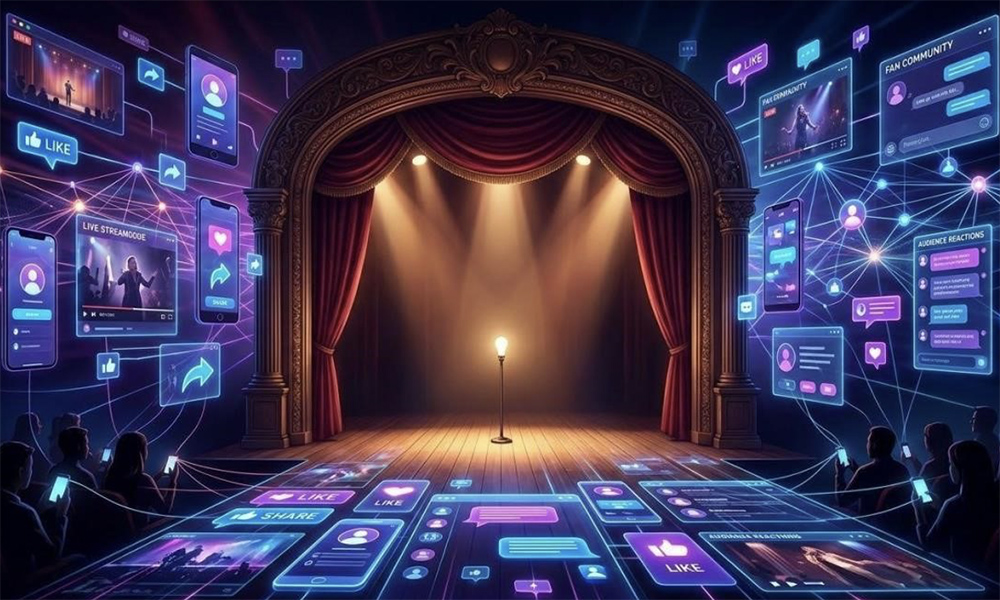
Theatre audiences no longer disappear once the curtain falls. They follow cast members on social media, dissect performances online, watch rehearsal clips, stream productions, buy digital tickets, join fan communities and create their own interpretations of the work. The modern theatre audience is not only watching. It is reacting, sharing, remixing and participating.
This shift does not make live theatre less powerful. If anything, it proves how far its emotional reach can travel.
From the Seat to the Screen
A theatre ticket once represented a fixed experience: a date, a time, a venue and a seat number. You arrived, watched, applauded and left. Now, the experience often begins long before the first note and continues well after the final bow.
A trailer might introduce the production weeks in advance. A cast interview might shape expectations. A behind-the-scenes rehearsal clip might go viral. Audience members may arrive already familiar with the choreography, the design concept or even a performer’s personal creative process.
This does not replace the live event. It extends it.
The screen has become a second foyer, one where audiences gather before and after the show. For musical theatre in particular, this digital life can be especially powerful. Songs travel easily. Choreography spreads quickly. A single performance clip can introduce a show to people who may never have seen a traditional theatre advertisement.
Fandom as Participation
Musical theatre has always inspired devotion, but online fandom has changed the scale and speed of that devotion. Fans now create edits, essays, playlists, memes, reaction videos and detailed discussions around productions and performers.
This kind of participation matters. It gives shows a longer cultural life and allows audiences to form communities around shared emotional experiences. A musical is no longer confined to its running time. It becomes a living object that fans carry into digital spaces.
There is also a democratic quality to this. Not everyone can access major theatre districts or afford premium tickets. Online fandom allows people to engage with theatre culture from anywhere, even if their first connection to a show is a cast recording, a bootleg debate, a TikTok trend or a carefully edited performance clip.
Theatre has always depended on word of mouth. Digital fandom simply gave that word of mouth a megaphone with glitter stuck to the handle.
Streaming Changed the Meaning of Access
Streaming has become one of the biggest shifts in how audiences experience performance. Filmed stage productions, digital premieres and theatre-on-demand platforms have opened new doors for people who live far from major cultural centres.
This is especially important for musical theatre, where geography can be a barrier. A person in a small town, another country or a different time zone may not be able to see a West End or Broadway production in person. But a streamed version can still introduce them to the music, staging and emotional world of the show.
Of course, filmed theatre is not the same as live theatre. The camera chooses the gaze. The room’s atmosphere changes. The collective breath of the audience is missing. But streaming has its own value. It preserves performances, expands access and gives productions an afterlife beyond the limited run.
Rather than killing theatre, streaming has become another doorway into it.
The Rise of the Interactive Audience
Theatre has also begun experimenting with more active forms of audience involvement. Immersive productions, promenade performances and interactive shows invite spectators to move through spaces, follow characters or make small choices within the experience.
This reflects a wider cultural trend. Audiences are increasingly used to entertainment that responds to them. Video games, live chats, social platforms and mobile apps have trained people to expect some level of control or interaction.
Theatre does not need to copy gaming to remain relevant. Its strength is still human presence. But it can borrow certain ideas: agency, intimacy, discovery and personal perspective.
When an audience member feels that their presence matters, the performance becomes more than something observed. It becomes something inhabited.
Mobile Culture and the New Theatre Conversation
The mobile phone has become both a blessing and a menace for theatre. Inside the auditorium, it is often the enemy of concentration. Outside the auditorium, it is one of theatre’s most useful tools.
Mobile-first culture shapes how audiences discover shows, buy tickets, read reviews and share reactions. A striking poster, a short rehearsal video or a performer’s backstage post can reach thousands of potential audience members within hours.
For younger audiences, this may be the normal route into theatre. They may not begin with a newspaper review or a season brochure. They may begin with a song clip, a fan edit or a creator explaining why a particular musical destroyed them emotionally before breakfast.
Theatre marketing has had to adapt to this reality. The most successful digital campaigns often feel less like formal advertising and more like an invitation into a world.
Digital Payments and Entertainment Habits
The way audiences pay for entertainment has changed too. Online booking, mobile wallets, app-based subscriptions and instant digital confirmations have made transactions feel almost invisible. The less friction there is, the easier it becomes for audiences to move from interest to action.
This shift is not limited to theatre. Across digital entertainment, payment habits are becoming faster and more flexible. Streaming platforms, gaming services, live events and even crypto casino platforms all reflect the same broader trend: audiences expect convenience, speed and choice when paying for online experiences.
For theatre, the lesson is not that every production needs to chase every new technology. It is that the audience journey matters. Buying a ticket, accessing a stream or supporting a production should feel clear and simple, not like trying to solve a riddle in tap shoes.
What Theatre Gains From Digital Participation
Some purists worry that digital culture dilutes theatre’s magic. That concern is understandable. Theatre depends on presence, silence, attention and shared space. It should not become just another piece of scrollable content.
But digital participation can also deepen the audience relationship. It can help people understand the craft behind a production. It can give regional audiences access to work they might otherwise miss. It can build communities around shows that would once have vanished after closing night.
Theatre has never been static. It has survived because it adapts without losing its soul. Gaslight, electricity, microphones, projections, revolving stages and streaming cameras have all changed the form. None of them erased the central thrill of a performer stepping into a role in front of an audience.
Digital culture is simply the latest stage door.
Final Bow
The proscenium still matters. There is still something extraordinary about sitting in a theatre as the lights fall and a roomful of strangers agrees, silently, to believe in the same illusion.
But the audience no longer stays neatly behind the arch. It moves between the theatre, the screen, the group chat, the fan forum, the ticketing app and the streaming platform. It watches, comments, shares, pays, replays and participates.
Theatre’s future will not be purely digital, and it should not be. Its power still comes from bodies in space, voices in the air and stories unfolding in real time. But the audience has changed, and theatre is changing with it.
Beyond the proscenium, the show is still going on.